Need dependable bed bug and pest control in Gibsonburg, OH? Choose Ohio-licensed pros who carry out on-site inspections, identify species, and follow IPM. They should use EPA-registered products or calibrated heat (122°F+ core), provide labels/SDS, document treatments, and specify reentry intervals. Expect written pre-treatment and post-care instructions, tamper-resistant monitors, and child/pet-safe placement. Confirm insurance, certified applicators, local references, and transparent pricing with warranties and follow-up. If you want prompt, safe, and compliant service, you're on the right track to see how it works.
Essential Highlights
- Choose Ohio-licensed, insured service providers with certified applicators; ask for product labels, Safety Data Sheets, and written treatment plans with reentry intervals.
- Insist on an on-site inspection verifying species, infestation severity, and documentation with photos, findings, and preparation requirements.
- Opt for IPM strategies which integrate targeted crack-and-crevice treatments, heat application to 120-135°F, and follow-up monitoring with interceptors.
- Check EPA-registered products, label compliance, rotating active ingredients, and child-resistant traps in tamper-resistant stations for non-target safety.
- Examine regional reviews and references in Gibsonburg and Sandusky County, and evaluate their track record for responsiveness and resolving complaints.
Why Exactly Community-Based Expertise Is Essential for Gibsonburg Pest Problems
Frequently, local expertise is the critical factor in solving Gibsonburg pest challenges safely and effectively. You advantage from technicians who grasp area ecology, municipal requirements, and Ohio Department of Agriculture licensing standards. They choose EPA-registered products, set application dosages, and document treatments to comply with label guidelines and OSHA safety standards. Professionals experienced with seasonal patterns anticipate pressure from ants, mosquitoes, rodents, and overwintering insects, adjusting timing and thresholds to minimize expenses and risks.
You obtain detailed inspections that take into account soil types, drainage, and building materials prevalent in Gibsonburg. Area experts implement integrated pest management: exclusion, sanitation, monitoring, and targeted controls, reducing pesticide load and safeguarding occupants, pets, and non-target species. They communicate pre- and post-treatment precautions comprehensively, validate ventilation and re-entry intervals, and provide compliant recordkeeping and follow-up.
Key Warning Signs of Bed Bugs and When to Take Action
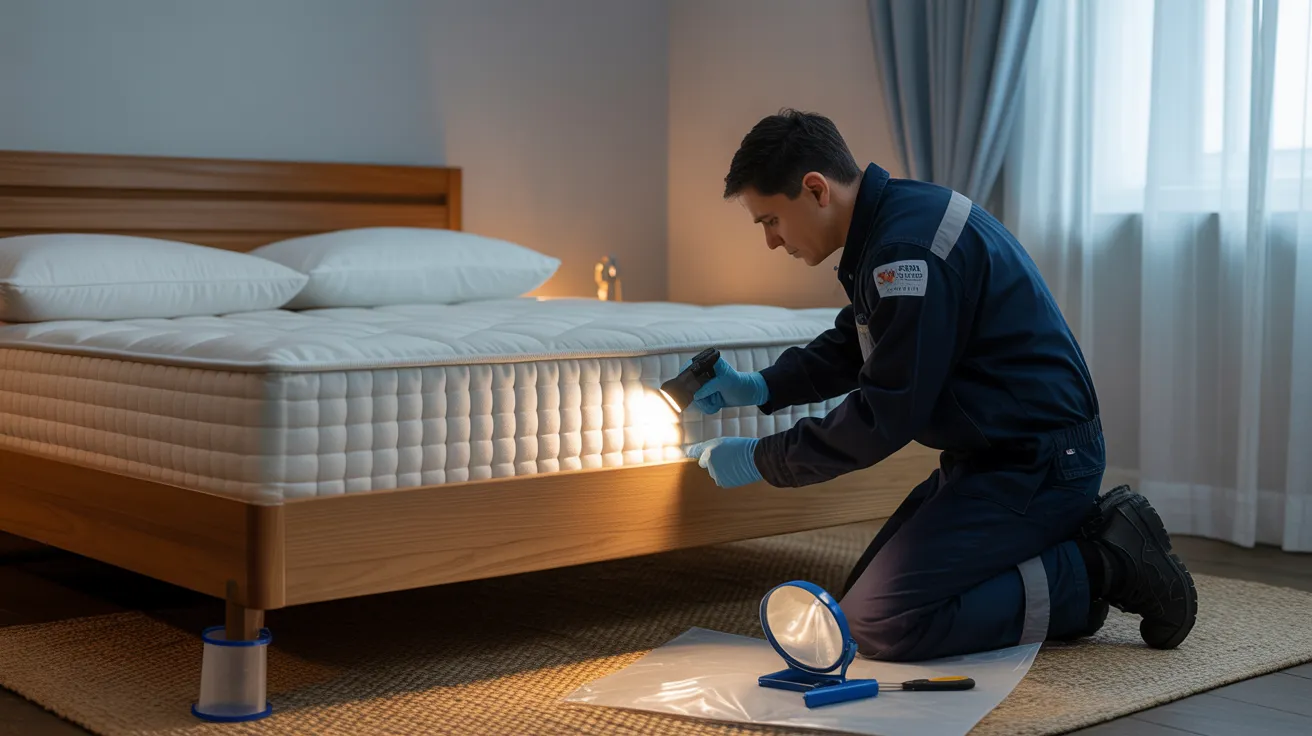
Spot bed bugs early to stop a bigger, costlier infestation. Search mattress seams, box springs, and headboards for live bugs, translucent nymphs, and pearly eggs. Check for rust-colored fecal spots, shed skins, and pinpoint blood smears on sheets. Use a flashlight to search tufts, bed frames, and nearby furniture joints.
Check the skin for bite groupings and delayed itching symptoms; these indicators are suggestive rather than diagnostic. To establish confirmation, place interceptors under bed legs and employ a flashlight to examine every night. Minimize clutter to boost accessibility and inspection.
Act promptly if you notice physical evidence or recurring suspected bites. Contain bedding in sealed bags, wash in hot water, and dry on high heat. Stay away from over-the-counter foggers. Contact a licensed pest management professional for an inspection and appropriate treatment.
Top Household Pests in Gibsonburg Homes and Ways They Transmit
You'll find ants, roaches, rodents, bed bugs, spiders, and seasonal pests like stink bugs in Gibsonburg homes. Pest problems develop through hitchhiking on luggage or packages, entering via gaps around doors, windows, and utility lines, and using moisture, clutter, and unsealed food. To decrease pest activity, you should keep your home clean, block potential entryways to IPM standards, and comply with usage directions if using EPA-registered products.
Regular Household Pests
While Gibsonburg's seasons transition, the pests invading homes remain common: bed bugs, ants (house odorous, pavement, carpenter), German cockroaches, house mice, Norway rats, spiders, and seasonal invaders like stink bugs and boxelder bugs. You'll notice distinct risks: bed bugs feast at night and nest in seams; odorous house and pavement ants trail to sweets; carpenter ants target moist wood; German cockroaches thrive in warm, greasy areas; house mice and Norway rats dirty surfaces and gnaw cables; spiders hunt other insects; stink and boxelder bugs aggregate seasonally.
Employ comprehensive practices that follow label directions and EPA requirements. Emphasize sanitation, moisture correction, and exclusion. Execute rodent exclusion by sealing 1/4-inch gaps and installing door sweeps. For ant control, handle food waste, repair leaks, and maintain tight-fitting lids.
Standard Infiltration Routes
Understanding which pests show up is only half the battle; how they get in and spread dictates effective control. In Gibsonburg homes, rodents utilize structural gaps as entry points around foundations, utility penetrations, and door sweeps. Ants and cockroaches move through plumbing and wiring chases, transitioning between kitchens, restrooms, and basements. Bed bugs travel through luggage and clothing transfer from hotels, offices, and shared vehicles. Fleas ride in on pets; ticks cling from brush near foundations. Stored-product pests enter through infested groceries into pantries.
You minimize danger by securing exterior cracks to {1/4 inch or less|a
What to Anticipate During a Professional Inspection
Before the treatment process starts, a licensed technician carries out a comprehensive inspection to determine the pest species, assess infestation levels, and pinpoint harborage and entry points. You'll receive a clear breakdown of scope, consent forms, and any privacy concerns. Expect a organized room-by-room examination, with attention to room clutter that can conceal activity. Your participation matters: you'll be asked about travel patterns, past treatments, bites, and sensitive areas.
The inspector will utilize inspection tools like flashlights, crack-and-crevice probes, monitoring traps, and protective equipment, following label and OSHA requirements. They'll check beds, furniture seams, baseboards, outlets, and adjacent units if applicable. Photos or notes document findings. You'll receive a written report outlining evidence, risk factors, sanitation recommendations, preparation steps, and access needs, enabling safe, compliant next actions without surprises.
Treatment Approaches: Chemical, Heat-Based, and Integrated Strategies
Your options include choosing between EPA-registered chemical insecticide procedures and whole-structure heat treatments, or employ them together in an integrated plan. With chemicals, you'll comply with label directions, target sheltering sites, manage resistance with rotations, and shield occupants and pets according to re-entry intervals. With heat, a licensed team will raise and monitor temperatures to lethal zones, safeguard heat-sensitive items, and confirm kill with calibrated sensors.
Chemical Treatment Protocols
Choose chemical insecticide procedures when you need precise, residual control of bed bugs as part of a systematic treatment plan. You'll observe the label every time-product selection, dilution, coverage, and re-entry intervals are legally required. Begin with a thorough inspection, then apply crevice and crack and spot treatments to beds, frames, baseboards, and harborages while preserving mattresses and linens. Switch active ingredients and document resistance monitoring to detect reduced sensitivity and maintain efficacy.
Adjust equipment to guarantee accurate application timing and uniform delivery. Use insect growth regulators together with adulticides to disrupt life cycles. Schedule follow-up services at interval windows corresponding to egg hatch, and re-treat only as indicated by monitoring data. Ventilate treated rooms, wear required PPE, and keep away pets and people until re-entry criteria are met. Dispose of wastes per Ohio regulations.
Entire-Structure Thermal Treatments
Though chemical applications provide targeted residual control, full-structure heat treatments provide a non-chemical, rapid knockdown across all life stages when applied correctly. You'll ready the structure by removing clutter, raising items off floors, and removing melt-sensitive materials. Certified technicians use thermal remediation equipment to increase ambient temperatures to 120-135°F and hold lethal core temps (≥122°F) for sufficient dwell time, validated with calibrated sensors. They channel airflow to penetrate seams, wall voids, and furniture joints.
For safety, you'll follow pre-heat checklists, disable smoke detectors as directed, and keep aerosols, plants, and pets away. Post-treatment, use mattress encasements to prevent reharborage and protect against survivors introduced later. Integrate heat with monitoring and targeted follow-up to address harborages unreachable by heat or sources of reinfestation.
Protected, Family and Pet-Friendly Pest Removal Practices
From the opening visit to the closing check-in, concentrate on strategies that protect residents, companion animals, and belongings while preserving outcomes. Clients get an integrated pest management approach that starts with identification, targeted treatment, and verification. Professionals employ non-toxic solutions where permitted and efficient, utilize pinpoint crack-and-crevice techniques, and ensure proper ventilation. Regarding mechanical approaches, they install kid-safe trapping devices in secure housings and position detection units beyond pet reach.
Before any application, we provide you with product labels and Safety Data Sheets, as well as reentry intervals and ventilation protocols per EPA and Ohio Department of Agriculture standards. Aquariums, food-contact surfaces, and toys are protected or relocated. Sensitive occupants are documented and accommodations provided. Once treatment is complete, we record results, sanitize contact points, and schedule a compliance-focused follow-up.
Prevention Steps for Keeping Pests Out Throughout the Year
Even before pests show up, you can block entry, clear away attractants, and monitor activity to keep infestations from taking hold year-round. Seal gaps 1/4 inch or larger with urethane or silicone caulk, install door sweeps, and repair screens. Establish positive drainage; keep Gibsonburg reliable Bed Bug Treatment mulch and firewood at least 18 inches from foundations. Practice seasonal landscaping: trim vegetation 12-18 inches from structures, clean gutters, and remove leaf litter to decrease harborage and moisture.
Store all food items in airtight containers, fix leaks within 24 hours, and consistently vacuum baseboards, cracks, and mattress seams. Utilize sensor-based monitoring systems and sticky traps in attics, utility rooms, and basements to catch early activity. Adhere to label instructions for all repellents. Record findings, modify thresholds, and arrange routine inspections following IPM best practices.
The Way to Choose a Reputable Pest Control Company
Commence by screening companies for valid Ohio licensing, active liability and workers' compensation insurance, and certified applicators with current training in Integrated Pest Management (IPM). Verify local licensing with the Ohio Department of Agriculture. Ensure technicians follow label directions, use EPA-registered products, and document treatment plans, site risks, and reentry intervals. Request information on monitoring methods, exclusion recommendations, and least-risk options ideal for children, pets, and sensitive environments.
Review client reviews and ask for references from recent jobs in Gibsonburg. Ensure the service provider performs an on-site inspection, identifies pests to species, and explains thresholds and treatment rationales. Require written safety data sheets and pre-/post-application instructions. Examine responsiveness, clear communication, and complaint resolution history. Select a company that emphasizes prevention, sanitation, and ongoing IPM compliance.
Costs, Warranties, and Value Considerations
You'll want to request a transparent pricing breakdown that breaks down inspection, treatment, follow-up visits, monitoring devices, and any EPA-registered products used. Secure warranty coverage details in writing, including warranty duration, what triggers re-treatment, exclusions (e.g., sanitation/structural problems), and response times. Make certain the terms meet Ohio regulations and safety best practices, so you know exactly what you'll be paying for and what's covered.
Transparent Pricing Breakdown
Although each infestation differs, our Gibsonburg bed bug and general pest control pricing follows a transparent structure so you can budget effectively and stay compliant with Ohio regulations. You'll receive an itemized breakdown before service: inspection fee, treatment type (chemical-based, heat, or integrated), square footage tier, unit count, and follow-up visit frequency. We use a flat rate for standard single-family treatments within defined size thresholds and transparent add-ons for high-clutter prep, severe infestations, or after-hours service.
Pricing accounts for EPA-registered products, technician certification, and required personal protective equipment. Heat treatment pricing is provided per zone to verify sensor-verified lethal temperatures. Multi-unit properties scale by dwelling and common-area scope. We never bundle unnecessary services; you review and approve scope and price in writing. Payment options include digital invoicing, with receipts for insurance or compliance records.
Details of Warranty Coverage
Since bed bug activity may recur, our Gibsonburg warranties outline exactly what's covered, for the time period, and under what premises conditions. We provide written terms that specify treated areas, retreatment triggers, and verification steps. If follow-up monitoring confirms activity inside the warranty timeframe, we'll deliver no-cost retreatment compliant with label directions and state regulations.
Select standard coverage or Extended guarantees for multi-visit protection. Protection requires your collaboration with pre-treatment, sanitation, and post-service monitoring. Limitations may apply to disorganized units, unapproved mattress encasements, or unresolved infestation sources.
Transferable plans can be utilized for real estate transactions as well as unit turnovers; transfers require a documented service record along with evaluation. Properties with multiple units have the option to select specific unit or building-wide warranties. We maintain a record of the substances utilized, batch numbers, and application sites to copyright compliance and guarantee traceability.
When to Contact Emergency Pest Services
On occasion, a pest problem develops into an emergency that necessitates prompt, professional intervention to protect health, safety, and property. You should contact us immediately if you spot aggressive stinging insects by entrances, rodents in living spaces, bites with allergic reactions, or evidence of gnawing on electrical wiring. Notify us of any pesticide exposure, strong chemical odors, or suspected structural damage. If infants, seniors, or immunocompromised individuals are present, treat severe infestations as critical.
Don't block exits, interfere with nests, or manage contaminated materials. Isolate the area, restrain pets, and provide ventilation to if it's safe. Schedule after hours response when hazards cannot wait for normal business hours. Photograph conditions with photos and log symptoms. Ask about insurance coordination, written service records, and EPA-registered products. Follow technician instructions and post-treatment reentry intervals.
Questions & Answers
Who Is Responsible for Bed Bug Treatment Expenses in Rental Properties?
Payment is typically based on who's at fault and local legal requirements. Most jurisdictions place initial expenses on the landlord; property owners are responsible for maintaining livable, pest-free conditions and arranging prompt, licensed treatment. If an investigation confirms tenant negligence-bringing infested furniture, neglecting preparation procedures-you may be billed. Report immediately, avoid DIY pesticides, and follow preparation instructions to guarantee safety and regulatory compliance. Review your lease contract and state/local ordinances; written documentation, inspection reports, and certified professionals protect everyone involved.
Will Homeowners Insurance Pay for Bed Bug Treatments?
In most cases, regular homeowners policies don't cover bed bug eradication. You typically cannot submit a claim for bed bug infestation, removal, or related losses. Review your policy's exceptions, endorsements, and policy coverage definitions; some specialty riders may apply but are rare and subject to strict claim limits and documentation requirements. If a covered peril (such as a burst pipe) directly causes damage unrelated to pests, that portion could be eligible for payment. Notify your copyright immediately, keep documentation, and follow professional safety protocols.
Am I Able to Travel During Multi-Visit Treatment Plans?
Just as in a relay race, you can travel throughout multi-visit treatment plans, but time your trips carefully. Coordinate travel timing with your provider so monitoring and services remain uninterrupted. Maintain post treatment precautions: heat-dry and bag travel clothing, examine your luggage, refrain from staying in untreated infested spaces, and avoid bringing back untreated items. Keep follow-up appointments, keep prep protocols, and note any sightings. If pesticide concerns or symptoms develop, reach out to your licensed professional before traveling.
How Can I Prepare Linens and Electronics Ahead of Service?
Remove linens from beds and bag them in tightly sealed or dissolvable plastic for high‑heat laundering. Carefully vacuum mattresses and box springs meticulously, then dispose of vacuum contents in a sealed bag outside. Secure electronics in labeled bags; avoid applying liquids or aerosols. Unplug devices and place them in inspection areas for professional assessment or approved heat chambers. Quarantine luggage in closed bins or clean tubs to avoid contamination. Follow all professional and product label directions.
Can Treatments Void Furniture or Mattress Warranties?
Treatments don't automatically void furniture or mattress warranties, but you must comply with manufacturer warranties' care instructions. Examine warranty terms for exclusions on chemicals, heat, or encasements. Obtain documentation on methods, temperatures, and pesticides used. Apply EPA-registered products only and certified applicators. Retain receipts, service reports, and pre-treatment photos to support consumer protections. Contact the manufacturer before heat or chemical applications. Utilize approved mattress encasements. Secure written confirmation when required to maintain coverage.
Closing Remarks
The concept is familiar: swift, proper response outperforms spreading infestations. Test it-watch how early detection, IPM strategies, and licensed pros reduce risk, cost, and pesticide use. You verify bed bug signs, schedule an inspection, and obtain clear findings, labeled treatments, and documentation. You seal entry points, declutter, launder hot, monitor, and observe re-entry intervals. You verify certifications, warranties, and emergency response. The result? Less pests, safer spaces, and verified compliance-because you didn't wait, you responded to evidence.